Can luck really influence casino outcomes?
The Role of Randomness in Casino Games
Casino games are fundamentally built upon the principle of randomness, which is often mistaken for luck. Each type of game, from slot machines to poker and roulette, operates under specific mathematical probabilities that dictate outcomes. Random Number Generators (RNGs) are integral to electronic games, ensuring that every result is independent and not influenced by previous events, making it essential to consider options like fast casino withdrawal when playing responsibly. This independence means that no amount of strategy or skill can consistently predict what will happen next, highlighting the importance of understanding the distinction between randomness and luck in gambling.
The mechanics of randomness, particularly in games like slots, illustrate the concept effectively. When players spin the reels of a slot machine, the outcome is determined by an RNG that is designed to be unpredictable. Even if someone believes they are experiencing a “lucky streak,” the fundamental probabilities of hitting a jackpot remain unchanged. This understanding is crucial, as it allows players to manage their expectations and approach gambling with a rational mindset, rather than one clouded by the notion of luck.
Moreover, the randomness inherent in casino games is a vital aspect that ensures fair play and an equal opportunity for all participants. Each spin or roll is treated as a separate event, giving every player an equal chance to win or lose. This principle of randomness not only protects the integrity of the gaming experience but also reinforces the idea that players often overlay their beliefs about luck onto these random outcomes, which can lead to misconceptions about their chances of winning.
Luck vs. Skill in Gambling
The debate surrounding the influence of luck in casinos often centers on the balance between luck and skill. In games such as poker, players utilize various strategies that can significantly impact their success, suggesting that skill may play a more prominent role than luck. Skilled poker players apply mathematical principles, probabilities, and psychological tactics to gain a competitive advantage. This has led many to argue that in contexts like poker, skill can overshadow the element of luck, making it a game of strategy rather than chance.
On the other hand, games like blackjack illustrate a more nuanced relationship between luck and skill. While players can adopt strategies, such as card counting, to improve their odds, luck still plays a significant role in determining the outcome of each hand dealt. The presence of luck means that even the most proficient players can face losses due to unforeseen circumstances, which are entirely out of their control. This interplay between luck and skill is what makes gambling both thrilling and unpredictable.
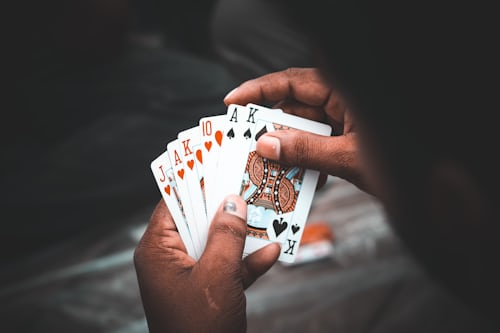
Ultimately, this balance between luck and skill creates varied outcomes across different gaming environments. While having a solid strategy can improve one’s odds, it cannot completely eliminate the influence of luck. Players must come to terms with the reality that even with a well-thought-out approach, the unpredictable nature of luck will always be a significant factor affecting their results in many casino games.
Psychological Aspects of Luck in Gambling
The belief in luck can profoundly impact how players behave in casinos. Many individuals carry personal superstitions, rituals, or lucky charms that they believe enhance their chances of winning. These psychological aspects can lead to decision-making patterns that seem inconsistent or irrational. For example, a player might repeatedly return to a specific slot machine because they believe it brought them good fortune in the past, despite the fact that each spin is an independent event.
This behavior is often influenced by cognitive biases, such as the gambler’s fallacy, where individuals mistakenly believe that past outcomes can influence future results. Such beliefs can lead to emotional betting, where players, feeling lucky, might increase their stakes or take unnecessary risks. This emotional connection to luck can result in significant financial losses, as decisions based on feelings rather than statistical realities often lead to poor outcomes.
Being aware of the psychological aspects surrounding luck in gambling is critical for promoting responsible gaming. Players should strive to recognize how their beliefs can lead to decisions that diverge from the mathematical probabilities of the games they engage in. By grounding their gambling practices in logic instead of luck, individuals can transform their experience into a more enjoyable pastime rather than a risky endeavor with potentially harmful consequences.
Strategies to Manage Luck in Casino Gambling
While luck is an inherent part of casino gaming, players can implement specific strategies to manage the risks associated with it. Establishing strict budgets and knowing when to walk away are essential components of responsible gambling. By setting financial limits prior to playing, individuals can mitigate the emotional impact of bad luck and maintain better control over their gambling behaviors, which is crucial for a healthy gaming experience.
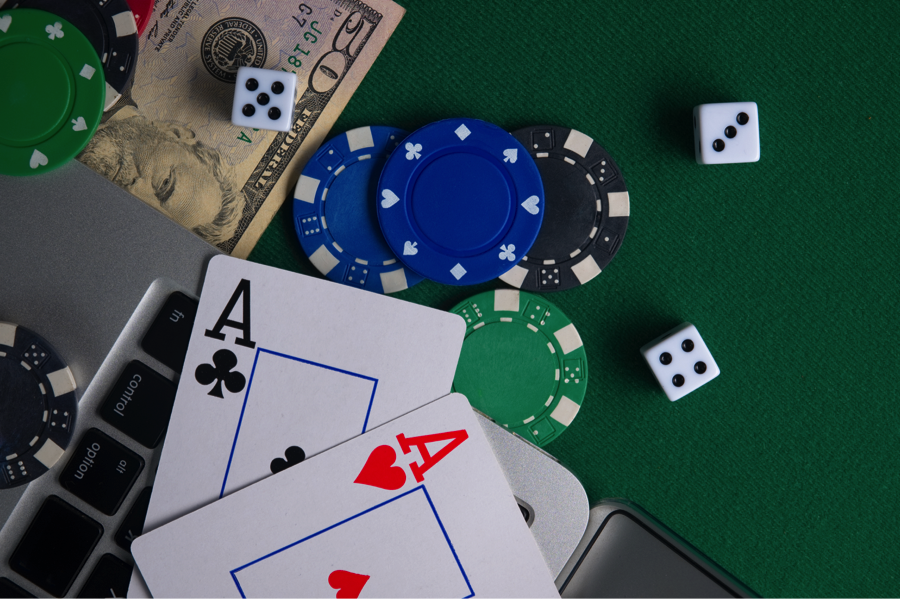
Another effective strategy is to choose games with better odds. Understanding the house edge and opting for games that present favorable odds can significantly alter the gambling experience. For instance, games like blackjack and video poker typically offer better returns for players compared to games of pure chance like slots. It’s imperative for players to do their research and identify which games provide the best statistical chances, enhancing their potential for winning while minimizing losses.
In addition to setting financial limits and selecting games wisely, players should take regular breaks to reflect on their experiences. Stepping back can facilitate clearer decision-making, especially after experiencing a run of bad luck. This pause allows players to recalibrate their understanding of how luck interacts with skill and can foster a more balanced perspective on their gaming activities, ultimately leading to a more enjoyable experience.
Informed Gambling and Resources
Understanding the complex role of luck in casino outcomes is crucial for players who wish to enhance their gambling experience. Gaining knowledge about the mechanics of various games, as well as being aware of personal beliefs regarding luck, lays the groundwork for making more informed gambling choices. Numerous resources are available for players seeking to deepen their understanding of game strategies, odds, and the overall gambling landscape.
Many websites and online communities offer valuable insights into strategies, game mechanics, and statistical analyses, empowering players to make educated choices rather than relying solely on luck. Engaging with these resources can help instill a sense of confidence and control, transforming the gambling experience from one dictated by random chance into a more strategic and informed activity.
Ultimately, adopting a balanced approach that acknowledges the role of luck while also incorporating sound strategies can significantly enhance the overall gaming experience. Recognizing that luck is a factor while actively taking steps to manage its influence can lead to a more fulfilling and less stressful gambling experience, promoting enjoyment and entertainment above all else.
